舌尖上的中国 - Сезон 1
舌尖上的中国 (2012 — наші дні)
Сезонів: 4,
серій: 30
Хронометраж серії: 49 хв
Середній рейтинг:
8.6/10
646



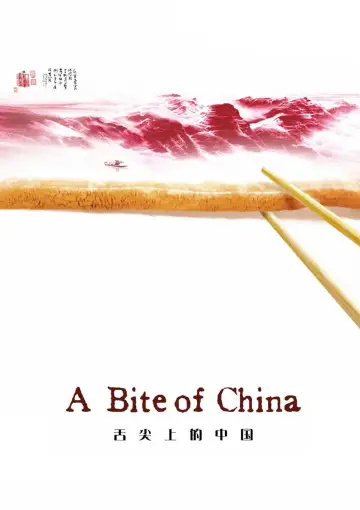
«Китай на кінчику язика» (Shéjiān shàng de Zhōngguó) — це китайський документальний телесеріал про історію їжі, культуру харчування та кулінарії в Китаї. Документальний серіал із семи епізодів, зйомки якого розпочалися в березні 2011 року, представляє історію та розповіді про різні види страв у понад 60 локаціях материкового Китаю, Гонконгу та Тайваню.
Документальний фільм також активно підтримується як засіб ознайомлення з культурою китайської їжі тих, хто не знайомий з місцевою кухнею.
Документальний фільм також активно підтримується як засіб ознайомлення з культурою китайської їжі тих, хто не знайомий з місцевою кухнею.
Серії
| # | Назва | Дата прем'єри | Хронометраж |
|---|---|---|---|
| 1 | Gifts from Nature This episode explores the rich bounty of food that is nature's gift to the Chinese people. Elf ear mushrooms gathered near Shangri-La on the Tibetan plateau, bamboo shoots from Zhejiang and Guangxi, traditional salt production and Nuodeng hams in Yunnan, lotus roots from Hubei and Henan, ice fishing in northern Heilongjiang, and finally trawling in the South China Sea. |
2012-05-14 | 49 хв. |
| 2 | The Story Of Staple Foods This episode explores the staple foods that comprise the base of the Chinese diet. Examples are shown of the five traditional grains of China: rice, wheat, broomcorn millet, millet, and beans. Uses for all of the grains are also shown, from sticky rice cakes to noodles, dumplings and breads. It also explores the cultural divide between the southern preference for rice and the northern love of wheat. |
2012-05-15 | 49 хв. |
| 3 | Inspiration for Change This episode looks at several traditional methods of processing food to produce distinctly Chinese delicacies, in particular fermentation. Explore many different varieties of tofu in central China and several varieties of fermented dairy products in Inner Mongolia. Other food processes include alcohol in Shaoxing, preserved meats in Zhejiang and fermented vegetables in north east China. |
2012-05-16 | 49 хв. |
| 4 | The Taste Of Time This episode explores both modern and traditional ways to preserve food - from salting and drying to stewing and smoking. Learn to make kimchi with the Korean ethnic minority of north east China. In Hong Kong sweet cured meats are popular. In mountainous Hunan, discover the famous Souse fish of the Miao ethnic minority. Learn about the Hui style smelly fermented perch. Other foods include Jinhua ham, dried seaweed, dried mullet and shrimp paste. |
2012-05-17 | 49 хв. |
| 5 | Secrets of the Kitchen This episode looks at the various cooking traditions peculiar to the Chinese. In the Tibetan village of Nixi, handmade black pottery pots are the favoured form of cooking. In the Guangdong town of Shunde, Ouyang Guangye cooks a traditional country banquet, including a whole steamed pig. In Yangzhou, Chinese chefs demonstrate their knife skills. In Hunan we visit a Chinese cooking academy and the home of one of the teachers. In Hong Kong, artist Liang Yihu runs a social club where she collects stories and recipes from elderly Hong Kong residents. |
2012-05-18 | 49 хв. |
| 6 | A Perfect Blend of Five Flavors This episode examines the flavours that dominate Chinese cuisine. Sweet, salty, spicy, sour and bitter.
In Guangdong we see the traditional production of sea salt. In Shanxi we see the traditional production of vinegar. In Sichuan, the chilli and Sichuan pepper vie for supremacy.
Foods featured include sweet onion pancakes, sweet preserved duck, Wuxi style sweet pork ribs, Macau style tangerine peel duck, salt water chicken, fish aroma pork strips, broad bean chilli paste, Sichuan hotpot, fishball and seaweed soup. |
2012-05-19 | 49 хв. |
| 7 | Our Farm The final episode explores the relationship between people and the production of food, specifically how people have adapted to living in geographically diverse regions of China.
In Guizhou, the Miao, Tong and Zhuang ethnic minorities have been cultivating glutinous rice for thousands of years. Off Zhang Zi Island, divers search for sea cucumbers in Asia's largest marine pasture. In Zhejiang, hairy crabs are cultivated in vast numbers. On the Yangtze river delta, the labour intensive taro are grown. In Tibet, highland barley is processed into Tsamba. Finally in Beijing we meet a man with a rich rooftop vegetable garden in the middle of the city. |
2012-05-20 | 49 хв. |


 Auditions in India
 Casting calls in USA
 Castingi w Polsce
 Кастинги в Україні


